
Benefits of Canine Massage Therapy
- erin4609
- Dec 2, 2025
- 5 min read
Canine massage therapy is becoming increasingly popular among pet owners who want to significantly improve their dogs' health and well-being. This gentle, hands-on technique offers numerous benefits that can enhance your dog's quality of life. Whether your dog is young and active, a weekend warrior or older and stoically managing arthritis or other health issues, massage therapy can dramatically improve a dog's quality of life and bring mobility and bum wiggles back into their daily routine.
What Is Canine Massage Therapy?
Canine massage therapy involves the manipulation of muscles and soft tissues in dogs to promote relaxation, reduce pain, and improve circulation. It is similar to human massage but dogs are far more receptive to its benefits. There are a few reasons for this, but primarily it has to do with the fact that dogs have 5 x the nerve receptors per square inch compared to humans, and each fur follicle has its own lymphatic system, muscle, arterial and blood supply, meaning tailored intentional touch can positively influence every single system in a dog's body.
It is not just about helping a dog relax, but certain massage strokes can:
reduce pain perception and break up chronic inflammation cycles
lower cortisol, stress and anxiety
improve circulation by helping blood return to the heart and bringing fresh blood and nutrients to areas that need it most (hip, knee and elbow joints and ligaments)
encourage oxygen uptake in respiration
stimulate lymphatic drainage and boost natural killer cell activity
improve digestion by stimulating gut enzymes and peristalsis
balance hormones by regulating the adrenal, thyroid and pituitary axis
improve skin tone and elasticity
reduce muscle and fascial tension, spasms and trigger points
And the list literally goes on for another dozen key points!

What Are the Most Common Reasons Canine Massage Supports Your Dog’s Health
Canine massage offers a holistic approach to your dog’s overall health and an amazing complement to western veterinary care. While massage should never replace veterinary care, if you start proactively or make professional massage a regular practice, your dog will repay you in fewer emergency vet visits.
Pain Relief and Injury Recovery
Massage helps reduce chronic inflammation, the major cause of arthritic pain, which impacts almost half of all dogs in their lifetime. It also helps reduce muscle soreness by increasing blood flow to affected areas, and relaxing fascial restrictions that amplify pain.
Improved Circulation and Lymphatic Drainage
Better circulation means more oxygen and nutrients reach the muscles, ligaments, tendons and soft issues. Certain massage techniques can stimulate the lymphatic system, which helps remove toxins and pathways for releasing "stuck" metabolic byproducts in arthritic and pre-arthritic joints. This can boost your dog’s immune system and overall vitality.
Stress Reduction and Relaxation
Dogs, like humans, can experience stress and anxiety from a variety of reasons including picking up on their guardians' emotional stress, or simply because they physically cannot do what their brain still wants to do. Massage therapy promotes relaxation by releasing endorphins and oxytocin, the body’s natural feel-good chemicals. This can help calm nervous dogs and improve their mood.
Enhanced Flexibility and Muscle Tone
Regular massage can prevent muscle stiffness and improve flexibility. This is particularly beneficial for active dogs or those involved in sports and agility training. It helps maintain muscle tone and reduces the risk of injury.
Between Professional Massage Sessions, Here are Some Practical Tips to Do Basic Effective Techniques
While professional sessions with a certified dog massage practitioner are ideal, you can also learn basic techniques to massage your dog at home. And your massage practitioner can give you a few strategies specific to your dog's unique needs. Here are some practical tips:
Create a Calm Environment
Choose a quiet, comfortable space where your dog feels safe. Use soft lighting and gentle music if it helps your dog relax. You need to be in a relaxed, calm state first, otherwise your dog will likely not relax. If your dog starts yawning repeatedly, panting, or licking their lips repetitively, you're either moving too fast, or need to get calm first! Dogs feel your emotional states.
Start Slowly
Begin with light, gentle long strokes with a flat palm to get your dog used to the touch. Start over the chest area, keeping one hand there and the other one gliding gently from the back of the head to the tail, avoiding direct pressure on the spine. Gently glide on either side. Watch for signs of comfort. It may take 3-4 repeated efforts to get your dog used to touch.
Focus on Areas Your Dog Enjoys
Common areas to massage include the neck, shoulders, back, and hips. Use gentle long gliding strokes to warm the area first, and then you can add some gentle kneading.
Use Appropriate Pressure
Avoid pressing too hard. This is one of the most common mistakes because we assume dogs can handle the same pressure as that deep tissue massage you may have had. If you push too hard, your dog will tell you how comfortable they are. The goal is to soothe muscles, not cause pain. If ever in doubt, book a professional massage and ask which techniques are most appropriate that you can do between sessions.
Keep Sessions Short
Start with 5-10 minutes and gradually increase as your dog becomes more comfortable.
Observe Your Dog’s Response
Positive signs include relaxed body language and soft eyes. Stop if your dog shows signs of stress or pain.

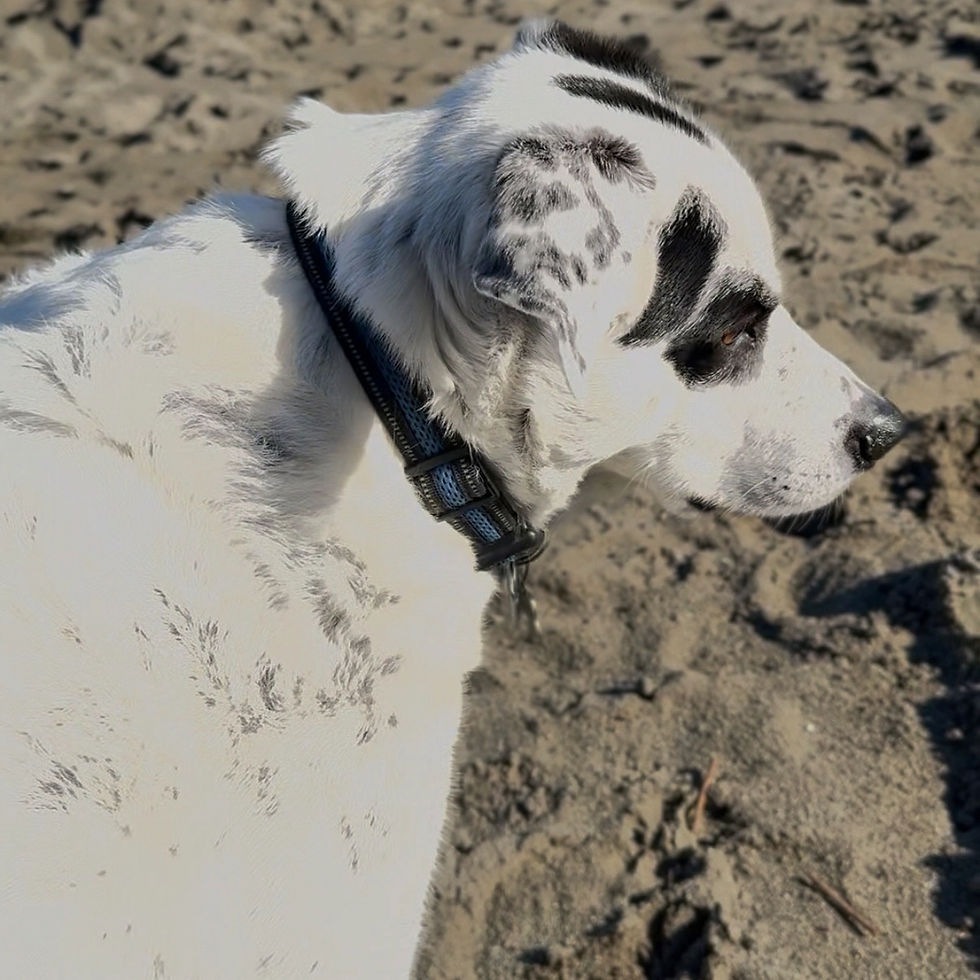
Relaxed dog enjoying a calming massage session
When to Seek Professional Canine Massage Therapy
While home massage can be beneficial, certain situations call for professional care. A certified dog massage therapist has the training to address specific health issues safely and effectively. Consider professional therapy if your dog:
Has chronic pain or arthritis
Is recovering from surgery or injury
Shows signs of muscle stiffness or weakness
Experiences anxiety or behavioral issues
Is a working or sporting dog needing performance support
Professional rehab or sports practitioners can also work alongside your veterinarian to create a comprehensive care plan tailored to your dog’s needs.
Additional Benefits Beyond Physical Health
Canine massage therapy also strengthens the bond between you and your dog. The time spent together during massage sessions builds trust and deepens your connection. It can also improve your awareness of your dog’s body, helping you detect early signs of health problems.
Moreover, massage therapy can be a valuable tool for senior dogs. It helps maintain their comfort and mobility, allowing them to enjoy their golden years with less pain and more ease. And it even helps them feel special, loved and improves their mood. Ask any grandparent or parent how senior osteoarthritis feels on a rainy morning and they will likely tell you they miss their 30 year old body! The same goes for dogs.
Final Thoughts on Canine Massage Therapy
Incorporating canine massage therapy into your dog’s routine can lead to significant improvements in their physical and emotional health. Whether through professional sessions or gentle home techniques, massage offers a natural, non-invasive way to support your dog’s well-being.
If you want to explore this therapy further, consider consulting a dog massage practitioner who can provide expert guidance and personalized care. Your dog will thank you for the extra attention and comfort.
By making canine massage therapy a part of your dog’s life, you are investing in their happiness, health, and longevity.


Comments